The Thing: A Unique Stone-Like Font for Standout Design
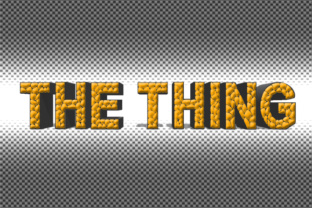
The Thing is a distinctive decorative font that stands out due to its stone-like appearance. Each letter is crafted to resemble carved stone, giving it a rugged and natural aesthetic. This visual quality makes The Thing an ideal choice for projects seeking a bold, unconventional look that sets them apart from standard typography.
What Makes The Thing Distinctive?
The Thing’s design is rooted in the idea of texture and materiality. Unlike many fonts that emphasize clean lines or modern minimalism, The Thing embraces a rough, uneven surface that mimics the look of weathered stone. This gives it a tactile feel, even when viewed on a screen. The font's irregularities and depth create a sense of authenticity and craftsmanship, which can be especially appealing for creative or thematic designs.
Its unique character is not just about visual appeal—it also adds emotional resonance. The stone-like texture can evoke a sense of strength, permanence, or even nostalgia, depending on how it is used. This makes The Thing particularly effective in contexts where a strong, memorable impression is desired.
Comparing The Thing with Similar Fonts
When considering fonts like The Thing, it’s helpful to compare them with other decorative or textured options. Many alternative fonts aim for similar effects, such as graffiti-style, hand-drawn, or industrial looks. However, The Thing distinguishes itself through its specific focus on stone-like qualities rather than other materials or styles.
For example, while a graffiti font might emphasize chaotic, spray-paint textures, The Thing offers a more refined, structured approach. It doesn’t rely on randomness but instead maintains a consistent visual language that still feels organic. This makes it more versatile in certain design scenarios, such as branding, signage, or editorial layouts where a balance between creativity and readability is important.
Strengths and Best-Fit Situations
The Thing excels in situations where a strong visual identity is needed. Its bold, textured appearance can draw attention and create a memorable impression. It works well for logos, headlines, or titles that require a dramatic effect. For instance, a music festival poster might use The Thing to convey energy and a sense of adventure, while a product label could benefit from its rugged aesthetic to suggest durability or natural ingredients.
Another advantage of The Thing is its ability to add depth and dimension to text. When paired with appropriate background elements—such as earthy tones, wood textures, or concrete patterns—the font can enhance the overall design by creating a cohesive visual theme. This makes it a good fit for projects that prioritize atmosphere and mood.
Tradeoffs and Limitations
Despite its strengths, The Thing may not be the best choice for every project. One key consideration is legibility. While the font’s texture adds visual interest, it can sometimes make smaller text harder to read. This means it’s most effective at larger sizes, such as headings or display text, rather than body copy or long paragraphs.
Additionally, The Thing’s distinct style may not align with all design goals. In minimalist or modern contexts, its rugged appearance could feel out of place. Designers should evaluate whether the font’s character complements the overall vision or if it risks overshadowing other elements of the composition.
When to Choose The Thing vs. Alternatives
Determining whether The Thing is the right choice depends on the specific needs of the project. If the goal is to create a striking, unconventional look that reflects a natural or industrial theme, then The Thing is a strong candidate. However, if the design requires a more neutral or adaptable typeface, alternatives such as sans-serif or serif fonts may be more suitable.
For example, a website aiming for a clean, professional look might opt for a simple sans-serif font, while a brand targeting a more adventurous or artistic audience could benefit from The Thing’s unique visual identity. The decision often comes down to the intended message and the target audience’s expectations.
Practical Examples and Use Cases
One practical application of The Thing is in print media, such as brochures, posters, or packaging. Its texture can add a physical quality to the design, making it more engaging for readers. A travel brochure promoting outdoor adventures might use The Thing to reinforce the idea of rugged landscapes and natural beauty.
In digital environments, The Thing can be used for web headers, social media graphics, or app interfaces that aim to stand out. However, designers should ensure that the font scales well across different devices and resolutions. Testing the font in various formats can help identify any potential issues with clarity or consistency.
Conclusion: Evaluating The Thing for Your Project
The Thing offers a compelling option for designers looking to add a unique, textured element to their work. Its stone-like appearance provides a fresh alternative to conventional fonts, making it ideal for projects that benefit from a bold, authentic visual style. However, its effectiveness depends on the context, size, and purpose of the design.
By carefully considering the strengths and limitations of The Thing, designers can determine whether it aligns with their goals or if another font might be more appropriate. Ultimately, the choice should reflect both the creative vision and the practical needs of the project.