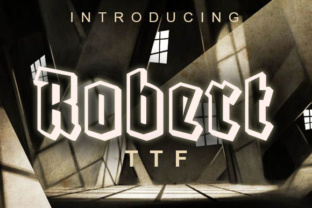
Robert: The Gothic Font Redefining Visual Identity in Modern Design
In the ever-evolving world of design, typography plays a pivotal role in shaping visual identity and communication. Among the many fonts available, Robert has emerged as a standout choice, particularly for those seeking a blend of elegance and edginess. This Gothic font is not just a typeface; it's a statement. With its sharp lines, dramatic contrast, and unmistakable character, Robert has captured the attention of designers, marketers, and creatives across various industries.
As digital platforms continue to prioritize visual appeal, the demand for distinctive fonts like Robert has grown. Whether used in posters, banners, or headlines, this font brings a unique energy that can elevate any project. But what exactly makes Robert so special? And why is it gaining traction among professionals and enthusiasts alike?
The Rise of Gothic Typography in Contemporary Design
Gothic typography has long been associated with themes of darkness, mystery, and rebellion. However, in recent years, it has found a new place in mainstream design, especially in the realms of branding, advertising, and digital media. The resurgence of interest in Gothic fonts reflects a broader trend toward bold, expressive visuals that stand out in a saturated market.
Robert exemplifies this shift. Its striking appearance allows it to convey a sense of power and sophistication, making it ideal for brands looking to make a strong impression. In an age where first impressions are often made through visual content, the right font can be the difference between being noticed and being overlooked.
Moreover, the use of Gothic fonts aligns with current consumer preferences for authenticity and uniqueness. As audiences become more discerning, they seek out designs that reflect individuality and creativity. Robert offers precisely that—its distinctive style ensures that any project using it stands out from the crowd.
Why Professionals Are Turning to Robert
Designers and marketers are increasingly turning to Robert for its versatility and impact. Unlike traditional Gothic fonts that may feel too heavy or outdated, Robert strikes a balance between classic and contemporary. This adaptability makes it suitable for a wide range of applications, from high-impact headlines to intricate graphic elements.
One of the key reasons professionals are paying attention to Robert is its ability to evoke emotion. The font’s sharp angles and bold strokes create a sense of intensity and urgency, which can be incredibly effective in marketing campaigns. For instance, a brand launching a new product might use Robert in its promotional materials to convey excitement and innovation.
Additionally, Robert is well-suited for digital environments. With the rise of social media, mobile devices, and online advertising, the need for fonts that look great on screens has never been higher. Robert is designed with these considerations in mind, ensuring clarity and readability across different platforms and resolutions.
Connecting to Broader Trends in the Creative Industry
The popularity of Robert is not isolated; it reflects larger developments in the creative industry. As businesses strive to differentiate themselves, the importance of visual storytelling has increased. Typography, as a fundamental element of this storytelling, plays a crucial role in shaping a brand’s identity.
Furthermore, the growing emphasis on user experience (UX) has led to a greater appreciation for fonts that enhance readability without sacrificing style. Robert meets this demand by offering a visually striking option that remains legible even at smaller sizes. This makes it a practical choice for everything from website headers to app interfaces.
Another factor contributing to Robert’s relevance is the shift toward minimalist design. While Gothic fonts might seem at odds with minimalism, Robert demonstrates how bold, clean lines can coexist with simplicity. This duality allows it to fit seamlessly into modern design aesthetics while still maintaining its distinctive flair.
Practical Applications of Robert in Real-World Projects
Understanding the theoretical appeal of Robert is one thing, but seeing it in action reveals its true value. Let’s explore some real-world examples where this font has made an impact:
- Marketing Campaigns: A fashion brand might use Robert in its campaign visuals to create a sense of exclusivity and allure. The font’s dramatic presence complements the brand’s image and helps attract attention in competitive markets.
- Event Promotions: For music festivals or art exhibitions, Robert can be used in posters and banners to generate excitement and draw crowds. Its boldness ensures that the event’s name stands out, even from a distance.
- Brand Logos: Some companies have adopted Robert in their logos to convey strength and confidence. This is particularly effective for brands targeting younger, trend-conscious audiences who appreciate bold, unconventional designs.
- Web Design: Websites that prioritize visual impact often incorporate Robert in their headers or call-to-action buttons. This not only enhances the site’s aesthetic but also reinforces the brand’s message.
These examples illustrate how Robert can be applied in diverse contexts, proving its value beyond just aesthetic appeal. Its ability to adapt to different formats and purposes makes it a versatile tool for designers and marketers alike.
Looking Ahead: The Future of Gothic Fonts in Design
As design trends continue to evolve, the role of Gothic fonts like Robert is likely to expand. With advancements in technology and changing consumer expectations, the demand for visually compelling and emotionally resonant designs will only grow.
Moreover, the increasing focus on inclusivity and accessibility in design means that fonts must not only look good but also function well for all users. Robert is well-positioned to meet these challenges, offering a balance of style and usability that appeals to a broad audience.
In the coming years, we can expect to see more experimentation with Gothic typography, as designers seek to push boundaries and create unique visual identities. Robert will undoubtedly play a significant role in this movement, serving as a powerful tool for those who want to make a lasting impression.
Conclusion
Robert is more than just a font—it’s a symbol of creativity, strength, and modernity. Its ability to capture attention, convey emotion, and adapt to different design needs makes it a valuable asset for professionals in various fields. As the design landscape continues to evolve, fonts like Robert will remain essential tools for those looking to stand out in a competitive world.
Whether you’re a designer, marketer, or entrepreneur, considering Robert as part of your visual strategy could be the key to unlocking new levels of impact and engagement. In a world where visuals speak louder than words, the right font can make all the difference.