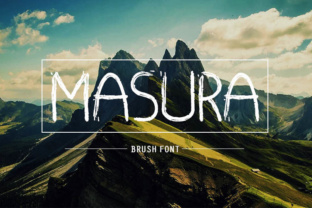
Discover the Artistry of Masura: A Hand-Painted Brush Font for Designers
For designers seeking a unique, expressive typeface that adds a personal touch to their work, Masura offers an appealing solution. This brush font is more than just a visual element—it’s a tool that can elevate the aesthetic and emotional impact of any design project. Whether you're crafting a logo, designing a website, or creating marketing materials, Masura brings a hand-painted quality that stands out in a digital world.
What makes Masura particularly valuable is its ability to blend creativity with functionality. Unlike many generic fonts, it provides a natural, organic feel that feels authentic and human. This characteristic makes it ideal for projects where a personal or artistic flair is essential.
Key Characteristics of Masura
At first glance, Masura appears as a traditional brush font, but its design elements reveal a deeper level of thoughtfulness. The strokes are fluid and dynamic, mimicking the movement of a real brush on paper. This attention to detail gives the font a sense of motion and energy, making it suitable for a wide range of applications.
The font includes a variety of letterforms that maintain consistency while allowing for creative expression. Each character is designed to flow naturally, ensuring that text remains readable even when used in larger sizes. This balance between style and legibility is crucial for practical use in both print and digital formats.
One of the standout features of Masura is its versatility. It works well in different contexts, from branding and packaging to social media graphics and editorial layouts. Its adaptability makes it a valuable addition to any designer’s toolkit.
Strengths and Practical Value
When evaluating a font like Masura, it’s important to consider how it performs in real-world scenarios. In practice, the font excels in projects that require a personal or artisanal touch. For instance, a small business owner looking to create a brand identity might find Masura useful for developing a logo that conveys creativity and authenticity.
Its brush-like texture also makes it effective for headlines and titles, where visual impact is key. When used appropriately, Masura can draw attention and convey a sense of artistry without overwhelming the viewer. This makes it a strong choice for designers aiming to communicate a specific mood or message through typography.
Another advantage of Masura is its ease of use. It is available in standard font formats, making it compatible with most design software. Whether you’re working in Adobe Illustrator, Photoshop, or a web-based platform, integrating Masura into your workflow is straightforward.
Quality and Usability
The quality of a font is often judged by its consistency and reliability. Masura maintains a high level of uniformity across its characters, ensuring that text looks cohesive and professional. This is especially important for projects that require precise typography, such as publications or corporate branding.
Usability is another factor that contributes to Masura’s appeal. The font is easy to read at various sizes, which is essential for both digital and print applications. It avoids the pitfalls of overly ornate or difficult-to-read typefaces, striking a balance between style and clarity.
Designers who prioritize flexibility will appreciate the range of weights and styles available with Masura. These variations allow for greater control over the visual hierarchy of a design, enabling users to tailor the font to their specific needs.
Who Benefits Most from Masura?
While Masura is suitable for a broad audience, it particularly appeals to creatives who value originality and craftsmanship. Freelancers, independent artists, and small business owners may find it especially useful for building a distinctive brand presence. Its hand-painted look can help differentiate their work in a competitive market.
Marketers and content creators can also benefit from using Masura in promotional materials. Whether designing a social media post, a banner ad, or a newsletter, the font adds a visually engaging element that captures attention and enhances storytelling.
For educators and students, Masura can serve as an educational tool for exploring typography and design principles. Its organic structure encourages experimentation and helps users understand how different typefaces influence visual communication.
Real-World Applications and Limitations
In practical terms, Masura shines in projects that emphasize creativity and individuality. For example, a blogger creating a custom header for their website might use Masura to add a unique visual identity that reflects their personal brand. Similarly, a graphic designer working on a poster for an art exhibit could leverage the font to evoke a sense of artistic expression.
However, it’s important to note that Masura may not be the best choice for every situation. In cases where minimalism or high readability is a priority, a more straightforward font might be preferable. Additionally, while the brush-like texture adds character, it may not align with the tone of more formal or corporate designs.
Users should also consider the context in which they plan to use Masura. For instance, if a project requires a large amount of text, the font’s stylized nature may reduce legibility. In such cases, it’s advisable to pair Masura with a complementary sans-serif or serif font for better readability.
Final Thoughts on Masura
Masura is a compelling option for designers seeking a brush font that combines artistic flair with practical usability. Its hand-painted aesthetic offers a refreshing alternative to more rigid typefaces, making it ideal for projects that benefit from a personal or creative touch.
Whether you're a professional designer, a small business owner, or a creative enthusiast, Masura can enhance your work by adding a unique visual dimension. However, its effectiveness depends on how well it aligns with your specific goals and design requirements.
Ultimately, Masura is a valuable resource for those who want to infuse their designs with personality and artistry. By understanding its strengths and limitations, users can make informed decisions about how to incorporate it into their projects effectively.