Thin Brush: A Handmade Aesthetic for Unique Design Projects
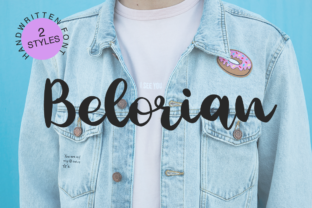
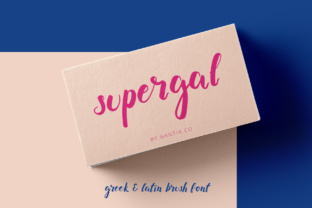
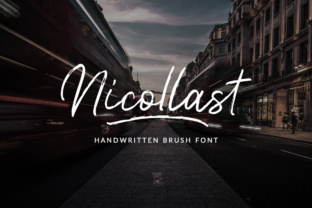
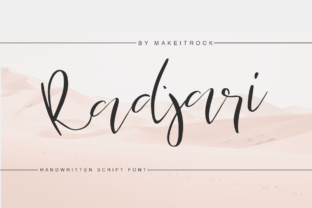
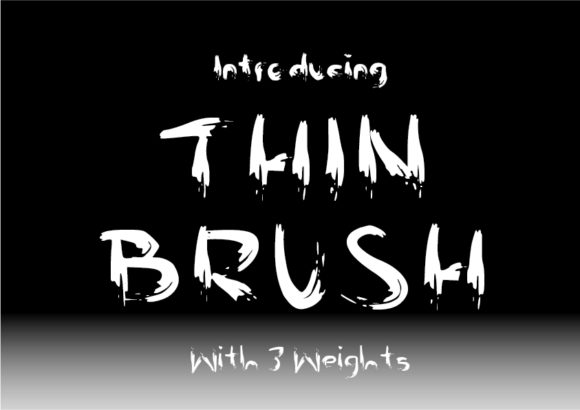
The Thin Brush font style is a distinctive choice for designers seeking a handmade, organic feel. Characterized by its thin strokes and small, rough textures, this style evokes the look of hand-painted signs, street vendor banners, and artisanal graphics. It’s ideal for projects that benefit from a raw, authentic touch, such as branding, posters, or signage.
What Makes Thin Brush Unique?
Unlike traditional fonts that emphasize uniformity and precision, Thin Brush embraces irregularities. The strokes vary slightly in thickness, creating a sense of movement and human involvement. This makes it stand out in a digital world where most typography is clean and controlled. The small, rough strokes add a tactile quality, making it perfect for designs that aim to mimic physical craftsmanship.
When compared to other brush-style fonts, Thin Brush often has a more delicate appearance. While some brush fonts may use bold, sweeping strokes, Thin Brush focuses on subtlety and detail. This can be especially useful for text that needs to remain readable while still maintaining a handcrafted vibe.
Thin Brush vs. Other Handmade Styles
Designers often compare Thin Brush with other handmade or brush-style fonts like Grunge, Handwritten, or Calligraphy styles. Each has its own strengths and use cases. For example, Grunge fonts tend to have more dramatic, textured effects, while Calligraphy fonts focus on elegant, flowing lines. Thin Brush sits somewhere in between—less ornate than Calligraphy but more expressive than standard sans-serif fonts.
One key difference is the level of control. Thin Brush requires careful consideration when used in larger blocks of text, as the variation in stroke thickness can affect readability. In contrast, some brush fonts are designed for legibility at smaller sizes, making them more versatile for body text.
Another comparison point is the visual weight. Thin Brush typically has a lighter appearance, which can be beneficial for minimalist designs or when a subtle presence is desired. However, this also means it may not be the best choice for headings that need strong visual impact.
Best Fit for Thin Brush
Thin Brush works well in scenarios where the design benefits from a personal, artisanal feel. Street vendors, independent artists, and small businesses often use this style for signs, logos, or promotional materials. Its rough texture gives the impression of something made by hand, which can build trust and connection with audiences.
For example, a local bakery might use Thin Brush on a sign to suggest homemade quality. A vintage clothing store could incorporate it into a poster to evoke a retro, hand-painted aesthetic. These applications highlight how the font can enhance the storytelling aspect of a design.
It also pairs well with other handmade elements, such as watercolor textures, paper backgrounds, or distressed effects. This combination can create a cohesive, authentic look that feels intentionally crafted rather than mass-produced.
Limitations and Tradeoffs
While Thin Brush offers a unique visual appeal, it does come with some limitations. One challenge is consistency. Because the strokes are uneven, it can be difficult to maintain a uniform look across different elements of a design. This may require additional adjustments or layering to ensure the overall composition remains balanced.
Another tradeoff is versatility. Thin Brush may not work well in all contexts. For instance, it might not be suitable for formal documents, technical manuals, or large-scale print projects where clarity and precision are critical. In these cases, a more structured font would be a better choice.
Readers should also consider the target audience. If the design is meant for a broad or professional audience, the informal nature of Thin Brush could be seen as unprofessional. However, for niche markets or creative industries, this very quality can be an asset.
When to Choose Thin Brush
Thin Brush is a good fit when the goal is to convey authenticity, creativity, or a personal touch. It’s particularly effective in marketing materials that aim to connect with customers on an emotional level. For example, a handmade soap brand might use it in their packaging to reinforce the idea of natural, artisanal production.
It’s also useful for projects that require a vintage or nostalgic feel. This includes event invitations, art exhibitions, or historical reenactments. The font’s rough texture can help set the tone and create a sense of timelessness.
Additionally, Thin Brush can be a great choice for experimental or artistic designs where the focus is on visual expression rather than strict readability. It allows for creative freedom and can add a unique identity to a project.
Alternatives to Thin Brush
If the goal is to achieve a similar handmade effect without the limitations of Thin Brush, there are several alternatives. For instance, custom brush scripts can be tailored to specific design needs, offering more control over stroke variations and consistency. This approach is often used in high-end branding or bespoke design projects.
Another option is to combine Thin Brush with other design elements. For example, using a clean sans-serif font for body text while reserving Thin Brush for headings or accents can balance readability and visual interest. This hybrid approach allows for flexibility while still incorporating the handmade aesthetic.
Designers who prefer a more controlled look might opt for vector-based brush fonts that offer greater precision. These fonts can replicate the appearance of hand-painted strokes while maintaining uniformity, making them suitable for a wider range of applications.
Practical Examples and Use Cases
Consider a local coffee shop looking to update its signage. Using Thin Brush could give the shop a warm, welcoming feel that reflects its community-focused values. The font’s rough texture would complement the cozy ambiance of the space, reinforcing the idea of a neighborhood gathering place.
In another scenario, a graphic designer working on a music festival poster might use Thin Brush to create a dynamic, energetic layout. The font’s irregular strokes could add movement and excitement, aligning with the festival’s vibrant atmosphere.
For a book cover, Thin Brush could be used to add a handwritten subtitle or author name, giving the design a personal, intimate feel. This is especially effective for indie authors or small publishers aiming to stand out in a competitive market.
Conclusion: Evaluating Thin Brush for Your Needs
Thin Brush offers a distinctive handmade aesthetic that can enhance the visual appeal of various design projects. Its thin strokes and rough texture make it ideal for conveying authenticity, creativity, and a personal touch. However, it also comes with limitations related to consistency, readability, and versatility.
When deciding whether to use Thin Brush, consider the project’s goals, audience, and context. If the design benefits from a raw, artisanal feel, this font can be a powerful tool. For more structured or professional applications, alternative options may be more appropriate.
Ultimately, the choice depends on the specific needs of the project and the message the designer wants to convey. By understanding the strengths and tradeoffs of Thin Brush, readers can make informed decisions that align with their creative vision.