Radjari: A Unique Font for Elegant Design
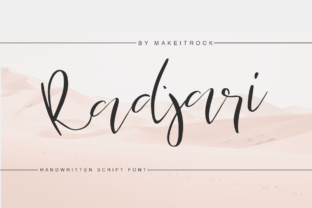
The Radjari font is a distinctive typeface that stands out in the world of typography due to its gentle curves and elegant form. Designed with care, Radjari offers a visual appeal that is both refined and original, making it an ideal choice for a wide range of design projects. Whether you're working on branding, lettering, or digital content, Radjari brings a touch of sophistication that can elevate your work.
One of the most notable characteristics of Radjari is its balance between modernity and tradition. The font combines smooth, flowing lines with a structured layout, resulting in a style that feels both contemporary and timeless. This duality makes Radjari particularly versatile, as it can be used in various contexts without losing its unique identity.
The gentle curves of Radjari are not just aesthetically pleasing; they also contribute to the font's readability. Despite its decorative elements, Radjari maintains a high level of legibility, especially in larger sizes. This makes it suitable for both display purposes and body text, depending on the design needs.
Applications of Radjari in Design Projects
Radjari's elegance makes it a popular choice for branding and marketing materials. Businesses looking to establish a sophisticated image often turn to Radjari for logos, business cards, and promotional content. Its distinct shape helps create a memorable brand identity that stands out in a competitive market.
In addition to branding, Radjari is well-suited for editorial design. Magazines, newspapers, and other publications can use Radjari for headings or special sections to add visual interest and a sense of refinement. The font's ability to blend with different styles allows it to complement a variety of layouts without clashing.
Lettering projects also benefit from the use of Radjari. Whether it's for hand-lettered signs, custom illustrations, or social media graphics, Radjari provides a consistent and polished look. Its fluid lines make it ideal for creating a sense of movement and grace in visual compositions.
Advantages of Using Radjari
One of the key advantages of Radjari is its versatility. Unlike some fonts that are limited to specific uses, Radjari can be adapted to multiple design scenarios. This flexibility makes it a valuable asset for designers who want to maintain a cohesive visual language across different projects.
Another benefit of Radjari is its ability to convey a sense of professionalism and creativity. The font's unique characteristics allow it to communicate a message that is both artistic and authoritative. This makes it particularly useful for industries such as fashion, luxury goods, and creative services, where aesthetics play a crucial role.
Radjari also supports a wide range of languages and character sets, making it accessible for international design projects. This inclusivity ensures that the font can be used effectively in diverse markets without compromising on quality or consistency.
Considerations When Using Radjari
While Radjari is highly adaptable, it's important to consider the context in which it will be used. For instance, in small text sizes, the font's intricate details may become less readable. Designers should test Radjari at different sizes to ensure it meets their specific requirements.
Additionally, the font's decorative nature means it may not be the best choice for all types of content. In cases where clarity and simplicity are paramount, a more straightforward font might be more appropriate. However, when used strategically, Radjari can enhance the overall aesthetic of a design without overshadowing the message.
Designers should also be mindful of licensing and usage rights when incorporating Radjari into their work. Ensuring proper permissions and understanding any restrictions associated with the font is essential for avoiding legal issues and maintaining professional standards.
Real-World Examples of Radjari in Use
Many designers have successfully integrated Radjari into their work, showcasing its potential in different fields. For example, a boutique clothing brand might use Radjari for its website headers to create a luxurious and inviting atmosphere. The font's elegant appearance aligns perfectly with the brand's image, reinforcing its commitment to quality and style.
Another example is a digital marketing agency that uses Radjari for client presentations. By incorporating the font into slides and reports, the agency adds a touch of sophistication that reflects its expertise and attention to detail. This subtle yet impactful choice helps differentiate the agency from competitors.
Artists and illustrators also find value in Radjari for their personal projects. Whether it's for portfolio websites, exhibition posters, or social media content, the font provides a cohesive and visually appealing element that enhances the overall presentation of their work.
Future Trends and Radjari's Role
As design trends continue to evolve, the demand for unique and expressive fonts like Radjari is likely to grow. With an increasing focus on personalization and individuality, fonts that offer both style and functionality are becoming more sought after. Radjari's ability to meet these demands positions it as a relevant and valuable resource for designers in the years to come.
Moreover, the rise of digital platforms and online content creation has expanded the opportunities for fonts like Radjari. From web design to mobile applications, the font's adaptability ensures it remains a practical choice for a wide range of digital projects. As technology advances, the integration of Radjari into new mediums will further demonstrate its relevance and appeal.
Ultimately, Radjari represents more than just a font—it's a tool that empowers designers to express creativity while maintaining professionalism. Its unique qualities make it a standout option for those seeking to add a refined and distinctive touch to their work. Whether used in traditional or digital formats, Radjari continues to inspire and enhance design projects across various industries.