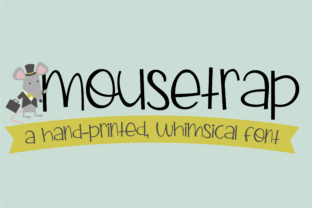
Mousetrap: A Whimsical Hand-Written Font for Creative Projects
When it comes to typography, the right font can make all the difference. Mousetrap is a hand-written font that brings a youthful and playful energy to any design. Its unique characteristics make it a popular choice among designers looking to add a touch of personality to their work. Whether you're working on a logo, a website, or a marketing campaign, Mousetrap offers a fresh and engaging alternative to more traditional typefaces.
The Personality of Mousetrap
Mousetrap stands out because of its organic, hand-crafted feel. Unlike digital fonts that often feel rigid or uniform, Mousetrap mimics the natural variations of handwriting. This gives it a warm and approachable quality that can help connect with audiences on a more personal level. The subtle irregularities in each letter create a sense of authenticity, making it ideal for projects that aim to feel more human and less mechanical.
One of the most appealing aspects of Mousetrap is its ability to convey a sense of fun and creativity. It’s not just a font—it’s a style that invites imagination. This makes it particularly well-suited for branding in industries like education, children's products, or creative services where a lighthearted tone is important.
Applications in Modern Design
In today’s fast-paced digital world, designers are always looking for ways to stand out. Mousetrap provides a unique visual identity that can help differentiate a project from the competition. Its informal nature works well in both digital and print formats, offering flexibility across different mediums.
For example, in web design, Mousetrap can be used for headings or call-to-action buttons to draw attention and create a memorable impression. In print materials like brochures or packaging, it adds a tactile, handwritten charm that can make a brand feel more personal and trustworthy.
Another area where Mousetrap shines is in social media content. Platforms like Instagram or Pinterest thrive on visually engaging content, and using a font like Mousetrap can help posts stand out in a crowded feed. It’s especially effective for brands targeting younger audiences who appreciate a more casual and expressive aesthetic.
Considerations When Using Mousetrap
While Mousetrap has many advantages, it’s important to use it strategically. Because of its distinctive style, it may not be suitable for every project. For instance, in formal or professional settings, a more structured font might be more appropriate. However, when the goal is to communicate a sense of playfulness or creativity, Mousetrap can be a powerful tool.
Readability is another factor to consider. While Mousetrap is legible at larger sizes, it may not be the best choice for body text. Designers should ensure that the font is used in a way that maintains clarity and doesn’t compromise the message being conveyed.
Additionally, when working with Mousetrap, it’s essential to pair it with other fonts that complement its style. A clean, sans-serif font like Arial or Helvetica can provide balance and contrast, helping to highlight the unique qualities of Mousetrap without overwhelming the design.
How Mousetrap Fits Into Creative Workflows
Designers often integrate Mousetrap into their workflow to add a personal touch to their projects. Whether they’re creating a logo for a startup or designing a poster for an event, the font can help establish a distinct visual identity. Its versatility allows it to be used in a variety of contexts, making it a valuable addition to any designer’s toolkit.
Many designers also use Mousetrap in collaborative environments, such as team projects or client presentations. Its friendly and approachable look can help build rapport and make the design feel more relatable. This is especially useful when working with clients who want to convey a sense of warmth and creativity in their brand messaging.
Furthermore, Mousetrap can be a great resource for illustrators or artists looking to incorporate text into their work. Its organic style blends well with hand-drawn elements, allowing for a cohesive and expressive visual language.
Recommendations for Using Mousetrap
If you’re considering using Mousetrap in your next project, start by identifying the tone and message you want to communicate. If your goal is to evoke a sense of fun, creativity, or informality, this font can be an excellent choice. However, if your project requires a more serious or professional tone, you may want to explore other options.
It’s also a good idea to test Mousetrap in different sizes and contexts before finalizing your design. Seeing how it looks in various applications will help you determine whether it aligns with your overall vision.
Finally, don’t be afraid to experiment. Typography is a form of expression, and Mousetrap offers a unique opportunity to add character and personality to your work. Whether you’re a seasoned designer or just starting out, incorporating this font can lead to more dynamic and engaging designs.