Lovebuzz: A Hand-Drawn Font for Creative Projects
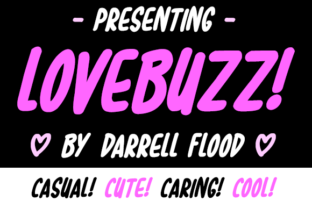
Lovebuzz is a casual, hand-drawn font that captures the essence of a felt-tip marker. Its loose, playful style adds a sense of lightheartedness to any design, making it ideal for projects that benefit from a personal, expressive touch. Whether you're working on branding, social media, or printed materials, Lovebuzz offers a unique visual identity that stands out without overwhelming the message.
This font is particularly appealing to designers and creators who want to infuse their work with warmth and authenticity. Its organic feel makes it perfect for anything from invitations and greeting cards to digital marketing campaigns and editorial layouts. The irregularities in the strokes give it a human quality, which can help build a stronger emotional connection with the audience.
Why Lovebuzz Stands Out
What makes Lovebuzz special is its ability to balance simplicity with character. Unlike more rigid typefaces, it feels approachable and easygoing, which can be especially valuable when trying to convey a friendly or informal tone. The font’s hand-drawn nature also means it works well in both digital and print formats, offering flexibility across different mediums.
For marketers and small business owners, Lovebuzz provides an accessible way to differentiate their brand. It’s not too flashy, but it’s far from plain. This makes it a great choice for businesses looking to express personality without sacrificing professionalism. It can be used as a headline font, a subheading, or even as part of a larger typographic hierarchy.
Creative Applications for Lovebuzz
Lovebuzz is versatile enough to fit into a wide range of creative projects. Here are some practical ideas for how to use it effectively:
- Branding and Logos: Use Lovebuzz for a logo or tagline that conveys a sense of creativity and approachability. It works well for startups, boutique shops, or creative agencies aiming to project a relaxed, artistic vibe.
- Social Media Content: Incorporate Lovebuzz into captions, banners, or graphics to add a personal, handcrafted feel. It can make posts stand out while maintaining a friendly tone that resonates with audiences.
- Printed Materials: Try Lovebuzz on business cards, brochures, or flyers for a unique, eye-catching look. Its casual style pairs well with minimalist designs, making it a good choice for clean, modern layouts.
- Editorial and Publishing: Use Lovebuzz for headings, quotes, or section titles in magazines, blogs, or e-books. It can add visual interest without distracting from the main content.
- Personal Projects: Hobbyists and artists can use Lovebuzz to create custom artwork, handmade cards, or DIY projects. Its expressive style encourages experimentation and individuality.
Each of these applications highlights how Lovebuzz can be adapted to different needs while maintaining its core aesthetic. The key is to use it strategically, ensuring it complements the overall design rather than competing with it.
Adapting Lovebuzz for Different Audiences
Lovebuzz is not one-size-fits-all, but it can be tailored to suit various audiences and contexts. For example:
- For a Younger Audience: Pair Lovebuzz with bright colors and bold visuals to create a fun, energetic look. It’s ideal for brands targeting teens or young adults who value creativity and self-expression.
- For a Professional Setting: Use Lovebuzz in moderation, such as for a single headline or subtitle, to add a subtle touch of personality without compromising formality. This works well for industries like education, wellness, or lifestyle services.
- For Niche Markets: Lovebuzz can be used in niche areas like indie publishing, artisanal products, or community-based initiatives. Its hand-drawn quality aligns with values like sustainability, craftsmanship, and authenticity.
Understanding your audience’s preferences and expectations will help you decide how to best incorporate Lovebuzz into your design. The goal is to enhance the message, not overshadow it.
Best Practices for Using Lovebuzz
To get the most out of Lovebuzz, consider the following tips:
- Limit Usage: Avoid using Lovebuzz for large blocks of text. It works best as a highlight or accent, such as in headlines, callouts, or decorative elements.
- Pair with Complementary Fonts: Combine Lovebuzz with a more structured typeface to create contrast and balance. This helps maintain readability while adding visual interest.
- Test on Different Backgrounds: Lovebuzz may look different depending on the color or texture of the background. Always test it in real-world scenarios to ensure it remains legible and effective.
- Experiment with Weights and Styles: If available, try different weights or variations of Lovebuzz to find the right tone for your project. Some versions may feel more playful, while others offer a more refined look.
- Focus on Consistency: Maintain a cohesive design language by using Lovebuzz consistently across all materials. This helps reinforce brand recognition and visual harmony.
These practices ensure that Lovebuzz enhances your design rather than complicating it. They also help maintain clarity and professionalism, even when working with a casual, expressive font.
Conclusion: Embrace the Lightheartedness of Lovebuzz
Lovebuzz is more than just a font—it’s a tool for expressing creativity in a natural, authentic way. Its hand-drawn style brings a sense of warmth and personality to any project, making it a valuable addition to any designer’s toolkit. Whether you’re looking to add a personal touch to your work or explore new design possibilities, Lovebuzz offers a flexible and expressive solution.
By understanding its strengths and limitations, you can use Lovebuzz to create designs that are both visually engaging and meaningful. With thoughtful application, this font can help you connect with your audience in a more genuine and impactful way.