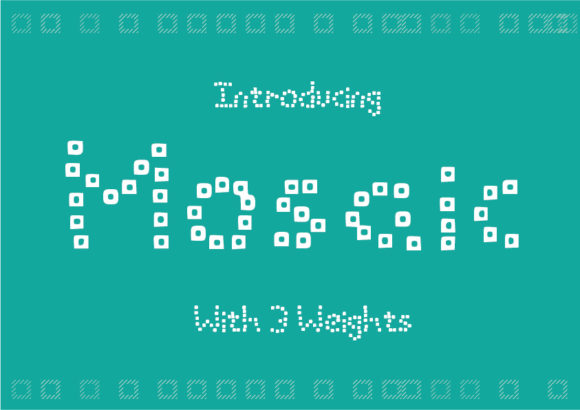
Mosaic and Fun Mosaic Style Squares Uneven to Give a Roman Esq Floor Mosaic but with Friendly Comic Twist
Creating a mosaic that blends the elegance of ancient Roman designs with a modern, playful twist can be a fun and creative endeavor. By using uneven squares in a Mosaic style, you can achieve a unique look that feels both historical and contemporary. This approach not only adds visual interest but also allows for a more dynamic and engaging design.
The key to achieving this effect lies in the use of different weights of a fun and casual font. By mixing light, medium, and bold styles, you can create a funky, eye-catching layout that stands out while maintaining readability. This technique works especially well when combined with a color palette that ranges from light to black, offering a striking contrast that enhances the overall impact of the design.
Why Choose a Mosaic Style with Uneven Squares?
A Mosaic style with uneven squares offers a refreshing alternative to traditional grid-based layouts. Unlike regular tiles, which often follow strict patterns, uneven squares introduce an element of surprise and randomness. This can be particularly effective when aiming for a Roman esq floor mosaic, as it mimics the irregularities found in authentic ancient mosaics.
These irregular shapes allow for more flexibility in how you arrange elements. You can place larger pieces in focal areas or use smaller ones to fill in gaps, creating a layered and textured look. This method also encourages creativity, making it ideal for artists, designers, and DIY enthusiasts looking to add a personal touch to their work.
Moreover, the uneven nature of the squares can help break up monotony, making the design feel more organic and less structured. This is especially useful when working on large surfaces like floors, walls, or even digital canvases where a more natural aesthetic is desired.
How to Mix and Match Font Weights for a Funky Look
When designing a Mosaic-style piece, the choice of typography plays a crucial role in defining the overall vibe. Using a fun and casual font that comes in multiple weights—light, medium, and bold—allows for a visually interesting composition. Each weight brings a different level of emphasis, helping to guide the viewer’s eye through the design.
For example, a light-weight font can be used for background text or subtle details, while a bold weight can highlight key elements or headings. The medium weight serves as a bridge between the two, providing balance and harmony. By strategically placing these different weights, you can create a sense of rhythm and flow that enhances the overall visual appeal.
This approach is especially effective when combined with a color scheme that transitions from light to dark. A light-colored font on a dark background can create a dramatic effect, while a dark font on a light background ensures clarity and readability. This contrast helps to draw attention to important parts of the design without overwhelming the viewer.
Practical Benefits of Using a Mosaic Style in Modern Projects
The Mosaic style isn’t just about aesthetics—it also offers several practical benefits. In interior design, for instance, a Roman esq floor mosaic with uneven squares can add character and durability to a space. These mosaics are often made from materials like glass, stone, or ceramic, which are resistant to wear and tear, making them ideal for high-traffic areas.
In digital design, using a Mosaic-style layout with uneven squares can help create a more engaging user experience. By breaking away from standard grid systems, designers can craft interfaces that feel more dynamic and interactive. This is particularly useful in web design, app development, and graphic projects where uniqueness and visual appeal are key.
Additionally, the combination of different font weights and colors can make a Mosaic design more accessible. For example, using a bold font for headings ensures that important information is easily scannable, while lighter fonts can be used for supporting content. This makes the design more user-friendly, especially for those with visual impairments or reading difficulties.
Examples of Mosaic Designs in Real-World Scenarios
One common application of Mosaic-style designs is in public spaces, such as cafes, galleries, and retail stores. These environments often benefit from unique, eye-catching elements that reflect the brand’s personality. A Roman esq floor mosaic with a friendly comic twist could feature playful illustrations alongside traditional patterns, creating a welcoming and memorable atmosphere.
Another scenario is in digital marketing campaigns. Social media posts, banners, and ads that incorporate a Mosaic style with uneven squares and varied font weights can stand out in a crowded feed. This approach not only grabs attention but also reinforces brand identity through consistent visual elements.
For personal projects, such as custom t-shirts, posters, or home decor, a Mosaic-style design can serve as a conversation starter. Whether it’s a quirky comic strip or a stylized representation of a historical scene, the combination of uneven squares and mixed fonts adds a layer of creativity that sets the piece apart.
Considerations When Choosing a Mosaic Style
Before diving into a Mosaic-style project, it’s important to consider a few key factors. First, the purpose of the design should guide your choices. Are you creating something for display, functionality, or both? Understanding the intended use will help determine the best materials, colors, and layout techniques.
Second, the scale of the project matters. Larger surfaces may require more planning to ensure that the uneven squares are arranged in a way that remains cohesive. Smaller projects, on the other hand, offer more freedom to experiment with different styles and combinations.
Finally, the target audience should influence your design decisions. If the goal is to appeal to a younger demographic, incorporating a friendly comic twist with bold fonts and vibrant colors can make the design more relatable. For a more traditional audience, a balanced mix of classic and modern elements might be more appropriate.