Hello There: A Handwritten Font with Natural Appeal
For designers and creators seeking a font that brings a personal touch to their work, Hello There stands out as a versatile and expressive option. This handwritten-style typeface offers a unique blend of warmth and readability, making it suitable for a wide range of design projects. Whether you're working on branding, editorial layouts, or digital content, Hello There can add a human element that feels authentic and engaging.
What Makes Hello There Unique
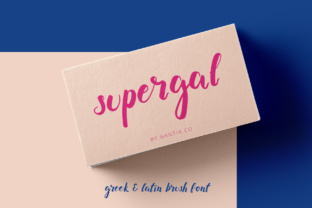
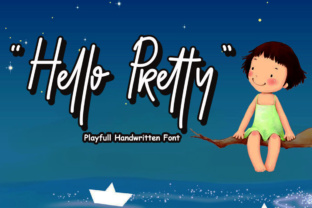
Hello There is designed with a natural, hand-drawn aesthetic that mimics the irregularities of real handwriting. Unlike many fonts that aim for perfection, this typeface embraces subtle variations in stroke weight and letter spacing, which can make text feel more approachable and relatable. This quality is especially valuable when trying to convey a sense of intimacy or individuality in design work.
The font’s structure is loose enough to feel organic but still maintains a level of legibility that allows it to be used effectively in both large and small sizes. Its curves and lines are not overly stylized, which helps preserve clarity without sacrificing character. This balance makes Hello There a practical choice for headings, logos, and even body text in certain contexts.
Key Characteristics and Practical Value
One of the standout features of Hello There is its flexibility. It works well in both digital and print formats, adapting to different mediums while maintaining its core personality. The font includes a range of glyphs, including uppercase and lowercase letters, numbers, and punctuation, which ensures it can handle a variety of typographic needs.
Another strength of Hello There is its ability to complement other typefaces. When paired with more structured fonts, it can add visual interest and contrast without overwhelming the overall design. This makes it particularly useful in multi-font compositions where a mix of styles is needed to create hierarchy and emphasis.
From a usability standpoint, Hello There is relatively easy to work with. It doesn’t require extensive kerning adjustments in most cases, which saves time during the design process. However, because of its informal nature, it may not be the best choice for formal or highly technical documents where precision and consistency are paramount.
Real-World Applications and Performance
Designers often use Hello There for projects that benefit from a personal or artisanal feel. For example, it can be effective in creating headlines for social media posts, blog titles, or promotional materials for small businesses that want to project a friendly and accessible image. Its casual appearance also makes it a good fit for educational content, such as worksheets or infographics, where a less rigid tone is appropriate.
In web design, Hello There can enhance user experience by adding a sense of warmth to interfaces. When used sparingly, it can draw attention to key elements like call-to-action buttons or navigation menus. However, overuse might lead to a cluttered look, so it’s important to apply it thoughtfully.
For print projects, Hello There can add a tactile quality to materials like brochures, business cards, or packaging. Its handwritten style can evoke a sense of craftsmanship, which is particularly appealing in industries like food, fashion, or handmade goods. That said, it’s essential to test the font at different sizes and resolutions to ensure it remains readable and visually consistent.
Strengths and Limitations
Hello There excels in situations where a personal or creative tone is desired. Its natural imperfections contribute to a more humanized aesthetic, which can resonate well with audiences looking for authenticity. This makes it an excellent choice for brands or individuals who want to stand out from the more sterile, corporate fonts commonly seen in professional settings.
However, the font’s informal nature may not suit all design scenarios. In contexts where a high level of professionalism or formality is required, Hello There could appear too casual or unrefined. Additionally, its lack of strict alignment may pose challenges when working with grids or layouts that demand precise typography.
Another consideration is the font’s availability. While Hello There is likely available through major font marketplaces, users should verify compatibility with their design software and check licensing terms to ensure it meets their specific needs.
Who Benefits Most from Hello There
Entrepreneurs and small business owners looking to build a brand identity that feels genuine and approachable will find Hello There useful. It can help differentiate their work from competitors who rely on more conventional typefaces. Similarly, marketers and content creators can use it to add a distinctive voice to campaigns, newsletters, or visual assets.
Freelancers and creatives working on personal projects or client work that emphasizes creativity and individuality will also appreciate the font’s flexibility. Educators and publishers aiming to make learning materials more engaging may find Hello There beneficial for creating a more inviting reading experience.
For those working in the arts or design fields, Hello There offers a way to express originality while maintaining a level of professionalism. It’s ideal for projects that require a balance between creativity and clarity, such as portfolio websites, exhibition invitations, or artist statements.
Final Thoughts
Hello There is a font that bridges the gap between casual and professional design. Its handwritten style adds a layer of personality that can enhance the visual appeal of various projects. While it may not be the best fit for every situation, it offers a compelling alternative for those seeking a more humanized approach to typography.
Ultimately, the decision to use Hello There depends on the specific goals of the project and the intended audience. By understanding its strengths and limitations, designers can make informed choices about when and how to incorporate it into their work. For those looking to add a touch of authenticity and warmth to their designs, Hello There is a worthwhile consideration.