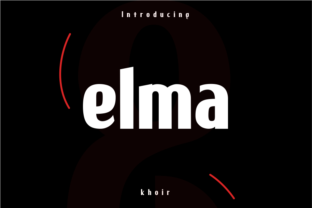
Elma: A Modern, Elegant Font for Every Project
Elma is more than just a font—it's a versatile tool that can elevate any design project. With its clean lines and sophisticated look, Elma offers a modern aesthetic that works across a wide range of applications. Whether you're creating a poster, designing a movie cover, or working on a book layout, Elma provides the flexibility and style needed to make your work stand out.
What makes Elma unique is its three distinct styles, each tailored for different creative needs. This variety allows designers to choose the perfect fit for their vision while maintaining a cohesive look throughout their projects. The font's balance between elegance and readability ensures it remains effective in both digital and print formats.
Exploring Creative Possibilities with Elma
Elma's adaptability makes it ideal for a broad spectrum of design tasks. For instance, its bold style can add impact to headlines and titles, while the regular and light versions offer a refined touch for body text and captions. This range of weights gives designers the freedom to experiment with hierarchy and visual interest without compromising clarity.
Consider using Elma for event invitations. Its structured yet elegant appearance can convey professionalism while still feeling approachable. Pairing it with subtle graphics or background textures can create a polished, memorable design that resonates with your audience. Similarly, for book covers, Elma can provide a strong visual anchor that draws readers in and sets the tone for the content inside.
Movie posters also benefit from Elma's versatility. The font's modern feel aligns well with contemporary film aesthetics, making it a great choice for titles that need to be both eye-catching and easy to read. Whether the film has a dramatic, action-packed, or romantic theme, Elma can be adapted to match the overall mood and message.
Adapting Elma for Different Goals and Audiences
Designers can tailor Elma to suit various audiences and purposes. For a corporate setting, the regular weight might be preferred for its professional and trustworthy appearance. In contrast, a creative agency might lean toward the bold style to emphasize innovation and energy. Understanding the target audience helps determine which style of Elma will best communicate the intended message.
When working on digital platforms, such as websites or social media graphics, Elma's legibility at different sizes is a key advantage. It maintains its clarity whether used in large headers or smaller footnotes, ensuring consistent visual appeal across all elements. This makes it an excellent choice for brands looking to maintain a unified identity across multiple channels.
For educators and publishers, Elma can enhance the readability of educational materials, presentations, and publications. Its clean design reduces visual fatigue, making it easier for readers to focus on the content. This is especially important in long-form texts where font choice can significantly affect comprehension and engagement.
Practical Tips for Using Elma Effectively
To get the most out of Elma, start by considering the context in which it will be used. For example, if you're designing a brochure, use the bold style for headings and the regular weight for body text. This creates a clear visual structure that guides the reader through the content. Avoid overusing the same style throughout the design, as this can lead to a monotonous look.
When pairing Elma with other fonts, choose complementary typefaces that enhance rather than compete. A sans-serif font like Roboto or Lato can work well alongside Elma, offering a balanced and modern aesthetic. However, avoid mixing too many different fonts, as this can confuse the viewer and dilute the overall design.
Testing Elma in different formats is also essential. Preview how it looks on both screen and paper, and adjust spacing and sizing as needed. This ensures that the font remains effective and visually appealing in all contexts. Additionally, consider the cultural and linguistic nuances of your audience, as certain styles may resonate differently depending on the region or demographic.
Realistic Examples and Recommendations
Imagine a small business owner creating a new logo. By using Elma's bold style, they can achieve a clean, professional look that reflects their brand's values. Pairing it with a simple icon or graphic adds visual interest without overwhelming the design. This approach not only enhances the logo's appeal but also makes it more memorable to customers.
Another example could be a blogger looking to redesign their website. Incorporating Elma into the header and navigation menus can create a sleek, modern interface that improves user experience. Using the regular weight for blog posts ensures that the text remains easy to read, encouraging visitors to engage with the content.
For a freelance designer, Elma can serve as a go-to font for client projects. Its versatility allows them to quickly switch between different styles based on the project's needs, saving time and effort. This efficiency can lead to better productivity and more satisfied clients.
Ultimately, Elma is a powerful asset for anyone involved in design, marketing, or content creation. Its combination of style, readability, and flexibility makes it suitable for a wide range of applications. By understanding how to use it effectively, designers can unlock new creative possibilities and produce work that stands out in today's competitive landscape.