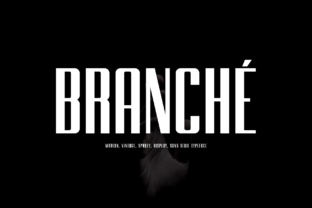
Branche: A Modern Twist on Classic Typography
When it comes to choosing the right font for your design projects, the options can be overwhelming. Branche is a standout choice that blends the nostalgia of 1960s cigarette typography with a contemporary, sporty edge. This clean, elegant sans serif display font offers a professional touch that can elevate any project, from branding to web design. But like any tool, it's essential to understand how to use it effectively to avoid common pitfalls.
What Is Branche and Why It Matters
Branche is more than just a font—it’s a design statement. Inspired by the bold, clean lettering of classic cigarette ads from the 1960s, it brings a sense of retro charm while maintaining modern readability. Its sturdy structure makes it ideal for headlines, logos, and other visual elements where clarity and impact are crucial. Whether you're a designer, marketer, or small business owner, Branche can help you create a memorable brand identity.
However, many people overlook the importance of context when selecting a font. Branche may look great in a headline, but it might not be the best choice for body text. Understanding the nuances of typography can make a significant difference in how your message is received.
Misconceptions About Using Branche
One common mistake is assuming that Branche works well in all situations. While it excels as a display font, using it for long paragraphs can lead to readability issues. The font’s bold strokes and minimal serifs may appear too harsh or unbalanced when used in large blocks of text. This can cause eye strain and reduce the overall effectiveness of your content.
Another misunderstanding is thinking that Branche is a one-size-fits-all solution. Designers often choose fonts based on aesthetics alone, without considering their functionality. For instance, a logo that uses Branche might look strong and modern, but if it doesn’t translate well to smaller sizes or different mediums, it could fail to communicate your brand effectively.
The Impact of Poor Font Choices
Using Branche inappropriately can affect several aspects of your project. In terms of usability, a poorly chosen font can make your content harder to read, leading to lower engagement and higher bounce rates. From a design perspective, mismatched fonts can create a cluttered or unprofessional appearance, which can harm your brand’s credibility.
Cost is another factor to consider. Many designers rush into purchasing a font without testing it thoroughly. If Branche doesn’t work for your specific needs, you may end up spending money on something that doesn’t deliver the desired results. Always take the time to evaluate a font before making a commitment.
Practical Tips for Using Branche Effectively
To get the most out of Branche, start by understanding its strengths. Use it for headings, titles, and short phrases where impact is key. Pair it with a complementary font for body text to maintain balance and readability. For example, combining Branche with a simple serif or sans serif font can create a visually appealing contrast that enhances your design.
Testing is also crucial. Before finalizing your design, check how Branche looks at different sizes and on various devices. Ensure it remains legible and maintains its character across platforms. You can also experiment with spacing and color to see how they affect the overall appearance.
What to Check Before Using Branche
Before incorporating Branche into your project, verify that it’s licensed for your intended use. Some fonts have restrictions on commercial applications, so it’s important to review the license agreement carefully. Additionally, check the font’s availability in different formats, such as OTF or TTF, to ensure compatibility with your design software.
Consider the audience you’re targeting. Branche may resonate well with a younger, trend-conscious demographic, but it might not appeal to more traditional or conservative audiences. Tailor your font choices to align with your brand’s voice and the preferences of your target market.
Examples of Better Approaches
Instead of using Branche for an entire website, try applying it selectively. For instance, use it for a hero section or a call-to-action button to draw attention without overwhelming the reader. This approach allows you to leverage Branche’s strength while maintaining a cohesive design.
Another effective strategy is to use Branche in combination with other fonts. For example, pair it with a clean, neutral font for body text to create a balanced layout. This not only improves readability but also adds visual interest to your design.
Final Thoughts on Choosing the Right Font
Fonts play a critical role in communication, and choosing the right one can significantly impact the success of your project. Branche is a powerful tool, but it requires thoughtful application to achieve the best results. By avoiding common mistakes and following practical advice, you can harness the full potential of this versatile font.
Remember, the goal is to enhance your message, not overshadow it. Take the time to explore different fonts, test them in real-world scenarios, and make informed decisions that align with your design goals and audience needs.