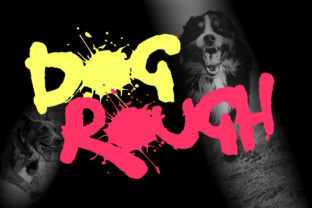
Dog Rough: A Bold Typographic Statement
For creators, designers, and marketers looking to make a strong visual impact, Dog Rough offers a unique way to express energy and attitude through typography. This graffiti-inspired font brings a raw, edgy aesthetic that can elevate any project with a touch of rebellious flair. Whether you're designing a logo, crafting a social media post, or developing a brand identity, Dog Rough provides a powerful tool for standing out in a crowded digital space.
The font's aggressive strokes and irregular shapes evoke the spirit of street art, making it ideal for projects that aim to convey intensity, urgency, or a sense of defiance. Unlike more traditional typefaces, Dog Rough doesn't shy away from boldness—it demands attention. This makes it particularly effective for campaigns targeting younger audiences or industries that value nonconformity and innovation.
Why Dog Rough Matters in Modern Design
In an era where visual consistency is often prioritized, Dog Rough offers a refreshing alternative that challenges the norm. It's not just about looking different; it's about communicating a distinct personality. For businesses and individuals seeking to differentiate themselves, this font can be a valuable asset. It allows for creative expression without sacrificing readability, ensuring that the message remains clear even when the style is unconventional.
Consider a startup aiming to disrupt the market with a fresh approach. Using Dog Rough in their branding could signal a willingness to break rules and challenge expectations. Similarly, a musician launching an album might use the font to reflect the raw energy of their work, creating a visual identity that aligns with their artistic vision.
Practical Benefits of Using Dog Rough
One of the key advantages of Dog Rough is its ability to add depth and character to text without requiring complex design elements. This makes it a time-saving choice for professionals who need to produce high-impact visuals quickly. Instead of spending hours on intricate graphics, users can rely on the font's inherent strength to convey the desired mood and message.
For example, a graphic designer working on a promotional poster for a concert might choose Dog Rough to emphasize the event's energetic vibe. The font's aggressive look complements the music's intensity, creating a cohesive visual narrative that resonates with the target audience. In this scenario, the font isn't just a stylistic choice—it's a strategic decision that enhances the overall effectiveness of the design.
Who Can Benefit Most from Dog Rough
While Dog Rough appeals to a wide range of users, it may be especially beneficial for those in creative fields such as advertising, illustration, and content creation. Its versatility allows it to be used across various mediums, including print, digital, and social media. This makes it a practical option for freelancers and small business owners who need to maintain a strong visual presence without investing heavily in design resources.
Entrepreneurs launching a new product or service can also find value in using Dog Rough. By incorporating the font into their marketing materials, they can create a memorable brand image that stands out from competitors. However, it's important to consider the context in which the font is used. While it works well for casual or edgy branding, it may not be suitable for formal or professional settings where a more polished appearance is expected.
Realistic Use Cases for Dog Rough
Imagine a social media manager tasked with creating eye-catching posts for a fashion brand. By using Dog Rough in headlines and captions, they can inject a sense of urgency and excitement into the content. This can help increase engagement and drive traffic to the brand's website. The font's boldness ensures that the message is immediately noticeable, even in a fast-paced scrolling environment.
Another scenario involves a blogger writing about urban culture or street art. Incorporating Dog Rough into their article titles or section headers can reinforce the theme of the content, creating a more immersive reading experience. This not only enhances the visual appeal but also strengthens the connection between the writer's message and the subject matter.
Limitations and Considerations
Despite its many benefits, Dog Rough may not be the best choice for every project. Its aggressive style can be overwhelming if overused, potentially detracting from the clarity of the message. It's essential to strike a balance between creativity and legibility, ensuring that the font enhances rather than hinders communication.
Additionally, users should consider the platform where the font will be displayed. Some digital environments may not support custom fonts effectively, which could affect how the text appears to end users. Testing the font across different devices and browsers is recommended to ensure consistent results.
How to Get the Most Out of Dog Rough
To maximize the impact of Dog Rough, start by experimenting with different sizes, colors, and placements. The font's strength lies in its ability to command attention, so using it strategically can yield better results. For instance, applying it to a headline or a call-to-action button can draw the viewer's eye and encourage interaction.
Pairing Dog Rough with complementary design elements can further enhance its effectiveness. A minimalist background or a contrasting color scheme can help the font stand out while maintaining a balanced composition. This approach allows the font to shine without overshadowing other visual components of the design.
Conclusion: Embrace the Power of Dog Rough
Dog Rough is more than just a font—it's a statement. It offers a unique way to express creativity, assert personality, and capture attention in a visually driven world. Whether you're a designer, marketer, or content creator, this graffiti-inspired typeface can be a valuable addition to your toolkit. By understanding its strengths and limitations, you can use it effectively to achieve your design goals and make a lasting impression on your audience.