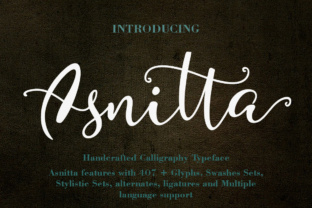
Pungo: A Unique Script Font for Creative Projects
When it comes to adding a personal touch to your design work, Pungo stands out as a versatile and expressive script font. With its elegant mix of uppercase and lowercase letters, Pungo brings a sense of authenticity and flair that can elevate any project. Whether you're designing a logo, crafting social media graphics, or working on a branding campaign, Pungo offers a fresh alternative to more conventional typefaces.
What makes Pungo special is its natural, handwritten aesthetic. It doesn’t feel overly stylized or artificial; instead, it has a warm, inviting quality that feels like it was written by hand. This personality makes it ideal for projects that aim to convey approachability, creativity, or a personal connection with the audience.
The Visual Characteristics of Pungo
Pungo’s visual appeal lies in its balance between structure and spontaneity. The letterforms are fluid yet consistent, giving the font a cohesive look while maintaining a sense of movement. Its curves are soft and flowing, and its strokes vary in weight, creating a dynamic visual rhythm that draws the eye.
Unlike many other script fonts that can be difficult to read at smaller sizes, Pungo is designed with readability in mind. It retains clarity even when used in headlines or short phrases, making it a practical choice for both digital and print applications. This balance between style and functionality is what sets Pungo apart from other display fonts.
Where Pungo Shines in Design
Pungo excels in projects that require a unique visual identity. It’s particularly well-suited for logo design, where a custom look can make a brand stand out. Its organic feel works well for creative businesses, such as boutique shops, artisanal brands, or independent publishers looking to create a memorable brand image.
In editorial design, Pungo can add a touch of sophistication to magazine layouts, book covers, or event invitations. Its handwritten quality gives a personal, almost tactile feel that can enhance the overall experience of reading or engaging with the content. For packaging design, Pungo can help differentiate products on the shelf, especially for niche or handmade items.
On the web, Pungo can be used effectively in headings, banners, or call-to-action buttons. It adds visual interest without overwhelming the design. When paired with a clean sans serif font, it can create a balanced and modern look that’s both stylish and easy to read.
How Pungo Influences Branding and Audience Engagement
Fonts play a crucial role in shaping how audiences perceive a brand. Pungo’s personality can influence that perception by conveying warmth, creativity, and individuality. When used consistently across marketing materials, it helps build brand recognition and reinforces the brand’s identity.
For small business owners and entrepreneurs, Pungo can be a powerful tool in establishing a distinct voice. It allows for a more personal and authentic presentation, which can resonate with customers who value craftsmanship and uniqueness. In a crowded market, having a font that stands out can make all the difference.
From a design perspective, Pungo also supports visual hierarchy. Its legibility at larger sizes makes it ideal for headlines, while its subtle variations in stroke weight can guide the viewer’s eye through a composition. This makes it a valuable asset in both print and digital media.
Practical Tips for Using Pungo
Before using Pungo in a project, consider the context and audience. While it’s great for creative and personal projects, it may not be the best choice for formal or corporate settings where a more traditional typeface might be expected. Always test the font in different sizes and formats to ensure it maintains its character and readability.
Font pairing is another important consideration. Pungo pairs well with clean, modern typefaces that provide contrast without clashing. For example, combining it with a sans serif font can create a balanced and professional look. Avoid using it alongside other complex scripts, as this can lead to visual confusion.
When evaluating whether Pungo fits a project, think about the message you want to convey. If you’re aiming for a casual, artistic vibe, Pungo is an excellent choice. If you need something more formal or structured, you may want to explore other options. Always review the available styles and test them in real-world scenarios before finalizing your design.
Commercial licensing is another factor to consider. Make sure you understand the terms of use, especially if you plan to use Pungo in client projects or for public-facing work. Many premium fonts offer flexible licenses that allow for various applications, but it’s always wise to verify the details before proceeding.
Real-World Applications of Pungo
One practical application of Pungo is in social media graphics. Whether you’re creating Instagram posts, Facebook banners, or Twitter headers, Pungo can add a unique visual element that catches attention. Its versatility makes it suitable for both text-heavy and image-based designs.
For bloggers and content creators, Pungo can be used in title cards, thumbnails, or section headers to add a personal touch to their content. It’s also useful in email newsletters, where a custom font can help set the tone and reinforce brand identity.
Small business owners can benefit from using Pungo in signage, business cards, or promotional materials. Its handwritten feel can give a sense of craftsmanship and care, which is appealing to customers who appreciate quality and authenticity.
Ultimately, Pungo is more than just a font—it’s a design tool that can help you express your creative vision with confidence. Whether you’re a designer, marketer, or business owner, incorporating Pungo into your projects can add a distinctive and memorable element that resonates with your audience.