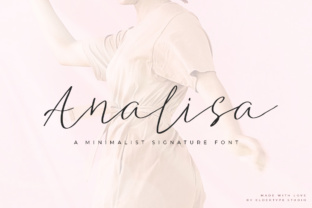
Discover the Charm of Analisa: A Minimalistic Signature Font for Creative Design
In the world of design, typography plays a crucial role in conveying messages, setting tones, and creating visual appeal. One font that has been gaining attention for its elegance and versatility is Analisa. This minimalistic signature font offers a unique blend of simplicity and sophistication, making it an ideal choice for a wide range of creative projects. Whether you're working on a logo, wedding invitation, or social media post, Analisa can add a touch of romance and charm to your designs.
What is Analisa?
Analisa is a signature font designed with a focus on minimalism and clarity. It features a soft, flowing style that mimics handwritten script, but with a refined and structured appearance. The font's tint weight—meaning it has a slightly lighter stroke than standard fonts—gives it a delicate and elegant look, perfect for adding a personal touch to any project.
Unlike more complex typefaces that may overwhelm the eye, Analisa is designed to be readable and visually appealing at both large and small sizes. Its clean lines and subtle curves make it suitable for use in various contexts, from digital displays to printed materials.
Why Use Analisa as a Display Font?
Display fonts are typically used for headlines, logos, and other prominent text elements where visual impact is essential. Analisa excels in this role due to its distinctive style and adaptability. Here are a few reasons why it's a popular choice:
- Visual Appeal: The font's flowing script adds a sense of movement and grace, making it ideal for romantic or artistic themes.
- Readability: Despite its decorative nature, Analisa remains highly legible, even at smaller sizes.
- Versatility: It works well in both digital and print formats, making it a flexible option for designers.
Its ability to convey emotion and personality makes it particularly effective in branding and marketing materials where a personal connection is desired.
Applications of Analisa in Design
The versatility of Analisa means it can be used across multiple industries and design projects. Here are some common applications:
Logos and Branding
For businesses looking to create a memorable brand identity, Analisa can serve as the foundation of a logo. Its elegant style helps communicate a sense of refinement and creativity, which can be especially beneficial for fashion, beauty, or lifestyle brands.
When used in logos, Analisa can be paired with other fonts to create contrast and balance. For example, a modern sans-serif font could complement the softness of Analisa, resulting in a cohesive and professional look.
Weddings and Special Events
Wedding invitations, programs, and signage often require a touch of romance and charm. Analisa is an excellent choice for these occasions, as its flowing script evokes a sense of elegance and timelessness.
Designers can use Analisa to create custom wedding stationery that feels personal and meaningful. It also works well for event titles, such as "The Perfect Day" or "Celebrating Love."
Fashion and Apparel
In the fashion industry, typography is often used to highlight brand names, slogans, or product labels. Analisa can be used to create stylish and eye-catching text for t-shirts, bags, and other apparel items.
Its minimalistic design ensures that it doesn't overpower the visual elements of the clothing, while still adding a unique and artistic flair. This makes it a great choice for indie designers and boutique brands.
Book Covers and Publications
Book covers require a strong visual presence to catch a reader's attention. Analisa can be used to create striking title text that stands out on a shelf or online store.
Whether it's a romance novel, a poetry collection, or a self-help book, Analisa can help set the tone and mood of the publication. Its soft, flowing style can evoke feelings of intimacy and reflection, which are often associated with literary works.
Social Media and Digital Content
In today's digital age, social media platforms like Instagram and Pinterest play a significant role in content creation. Analisa is well-suited for use in graphic designs, such as posts, stories, and banners.
Its readability and aesthetic appeal make it ideal for creating engaging visuals that resonate with audiences. Whether it's a motivational quote, a product highlight, or a personal message, Analisa can enhance the overall look and feel of digital content.
Understanding the Role of Typography in Design
Typography is more than just choosing a font—it's about communication, aesthetics, and user experience. The right typeface can influence how a message is perceived and how a brand is remembered. This is where fonts like Analisa come into play.
While many fonts are designed for body text, display fonts like Analisa are meant to stand out and make an impression. They are often used in situations where the text needs to be noticed, such as in headlines, logos, and promotional materials.
It's important to note that not all fonts are created equal. Some may look beautiful in a design but fail to perform well in terms of readability or scalability. Analisa, however, strikes a balance between form and function, making it a reliable choice for designers.
Common Misconceptions About Signature Fonts
There are several misconceptions about signature fonts that can lead to their misuse in design projects. One common assumption is that they are only suitable for artistic or decorative purposes. While they do have a stylistic appeal, they can also be used effectively in more formal or professional settings.
Another misconception is that signature fonts are difficult to read. While some may appear ornate, fonts like Analisa are designed with readability in mind. Their structure and spacing ensure that they remain clear and easy to understand, even when used in larger sizes.
Finally, some designers may avoid using signature fonts because they fear they will not work well with other elements in a composition. However, with proper pairing and layout, these fonts can enhance the overall design rather than detract from it.
How to Incorporate Analisa Into Your Projects
If you're interested in using Analisa in your own designs, here are a few tips to get started:
- Choose the Right Size: Depending on the context, adjust the font size to ensure it's visible and legible. Larger sizes are ideal for headlines, while smaller sizes work well for labels or captions.
- Pair with Complementary Fonts: Combine Analisa with other fonts that provide contrast and balance. A simple sans-serif or serif font can help create a more dynamic and professional look.
- Experiment with Colors: Since Analisa has a light weight, it can be used with a variety of color schemes. Try different hues to see how they affect the overall mood and tone of your design.
- Test in Different Formats: Make sure to test the font in both digital and print formats to ensure it looks good in all contexts.
By following these guidelines, you can make the most of Analisa's unique characteristics and create designs that are both beautiful and functional.
Conclusion
Analisa is more than just a font—it's a tool for expression and creativity. Its minimalistic design, combined with its ability to convey emotion and style, makes it a valuable asset for designers across various industries. Whether you're working on a logo, a wedding invitation, or a social media post, Analisa can add a touch of elegance and charm that sets your work apart.
As the demand for visually appealing and personalized design continues to grow, fonts like Analisa will remain relevant and widely used. By understanding the strengths and applications of this font, you can unlock new possibilities for your creative projects and bring your vision to life with confidence and style.